
Drip Lines
IrriSmart offer 2 bespoke dripline solutions, The spacings and flow rates have been developed over may years in French vineyards although we can create bespoke to suit any location, climate, environment, planting or soil type.
-
UniWine AS – this system is designed for new vineyard and is installed below the surface, this reduces damage from insects and animals, also transpiration, and humidity therefore reducing disease risk.
-
UniWine RC – is specifically designed for established vineyards and can be laid on the ground or clipped to wire support to keep it away from damage.
-
Both system give 100% uniform aplication from the first emitter to the last. And with proper system design will give 100% uniform aplication of water and nutrients across the whole vineyard.
-


Air & Check Valves
Hydraulic Protection For The Complete Irrigation System
Hydraulic issues can be a real headache, especially when it comes to diagnosing problems like incorrect pressure, unusual noises, or water flow. You might also face challenges with pipework breaking or experiencing suction. Thankfully, our air and check valves can address most of these concerns effectively. Discover how our solutions can simplify your hydraulic system maintenance and restore efficiency!


Air valves and check valves play a crucial role. You might have seen the on our filters, fertigation machines, and installations. Although they might seem insignificant, these small devices protect our irrigation from potential damage and enhance their efficiency. By allowing air to escape and preventing backflow, they ensure that water flows smoothly and consistently. Discover how these essential components contribute to the longevity and performance of your irrigation system.

Check (Non Return) Valves
Our Check Valve is designed to ensure one-directional flow, effectively preventing the return of liquid to its source. It features quiet closure and total sealing of the sealing face, making it an essential component in your irrigation system. By installing our Check Valve in various areas, you can stop water from returning to tanks or the supply, preventing chemicals, fertilizers, and acids from contaminating other areas. This not only safeguards your irrigation system from potential damage but also the efficiency of your pumps during operation.
How Air Effects Our Irrigation Systems
During system filling, air can become trapped within the pipeline. If this air is not removed, it slows the filling process, restricts flow, and prevents irrigation equipment from operating correctly. Trapped air also increases pressure fluctuations, which can lead to pipe damage. By effectively releasing this air, the system can fill smoothly, maintain stable pressure, reduce stress on pipework, and allow all equipment to function as intended.
Conversely, when the system is draining, air must be allowed to enter the pipeline. Introducing air during drainage prevents vacuum formation, which can collapse pipework, damage filters and valves, and create harmful water hammer effects.
Air can also accumulate during normal irrigation operation. This can occur due to gases released from chemicals or disinfection products, turbulence within the pipeline, air being drawn in through damaged equipment, dosing tanks running dry, or the water supply approaching empty. As this air builds up throughout the system, it forms pockets that become trapped at high points. These pockets effectively reduce the internal pipe diameter, restricting flow and increasing the head pressure required to maintain performance.
Air accumulation often reveals itself through violent shaking or vibration of the pipework. These pressure fluctuations can break pipes, damage fittings, and compromise irrigation equipment.
.
Air Valves - Air & Vacuum
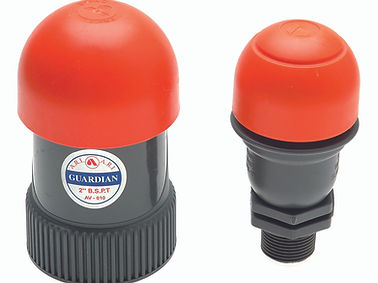
Our Air & Vacuum Air Valve is designed to manage both conditions. It automatically vents air from a filling pipeline and allows air intake during system drainage. This dual action optimizes hydraulic efficiency, protects the pipeline, and reduces the risk of damage throughout the irrigation system.
Air & Vacuum Valves are designed to discharge large volumes of air from non‑pressurized pipelines during system filling. They also allow the rapid intake of air when pipelines are drained or when water column separation occurs.
This dual function protects the system by preventing vacuum conditions, reducing the risk of pipe collapse, and minimizing damage caused by pressure fluctuations or water hammer.
Automatic Air Release Valves
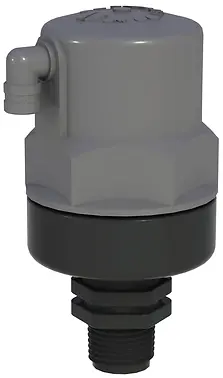
Automatic Air Release Valves are designed to discharge accumulated air from a pressurized pipeline, helping maintain optimal hydraulic efficiency by reducing head losses and improving overall flow. These valves continuously release small, trapped air pockets that form during normal system operation, preventing air‑related blockages, pressure fluctuations, and performance issues.
Combination Air Valves
Combination Air Valves are installed on liquid transmission systems to enhance hydraulic performance by protecting the pipeline, improving flow efficiency, and reducing overall energy requirements. These valves combine the functions of both Air & Vacuum Valves and Automatic Air Release Valves in a single unit.
A Combination Air Valve discharges or admits large volumes of air during system filling or emptying, preventing vacuum formation and reducing the risk of pipe collapse or water hammer. Once the line is pressurized, it continuously releases small, accumulated air pockets that would otherwise restrict flow, increase head losses, and compromise system performance.
This dual‑action design ensures stable operation across all phases of system use—filling, pressurization, and draining—providing comprehensive air management and long‑term pipeline protection.
